We Are the Go To Place
For all things VACCINE DELIVERING DRONES
Advertise here or share your news, purchase domain, contact us to talk more…
MORE…
About VACCINE DRONES
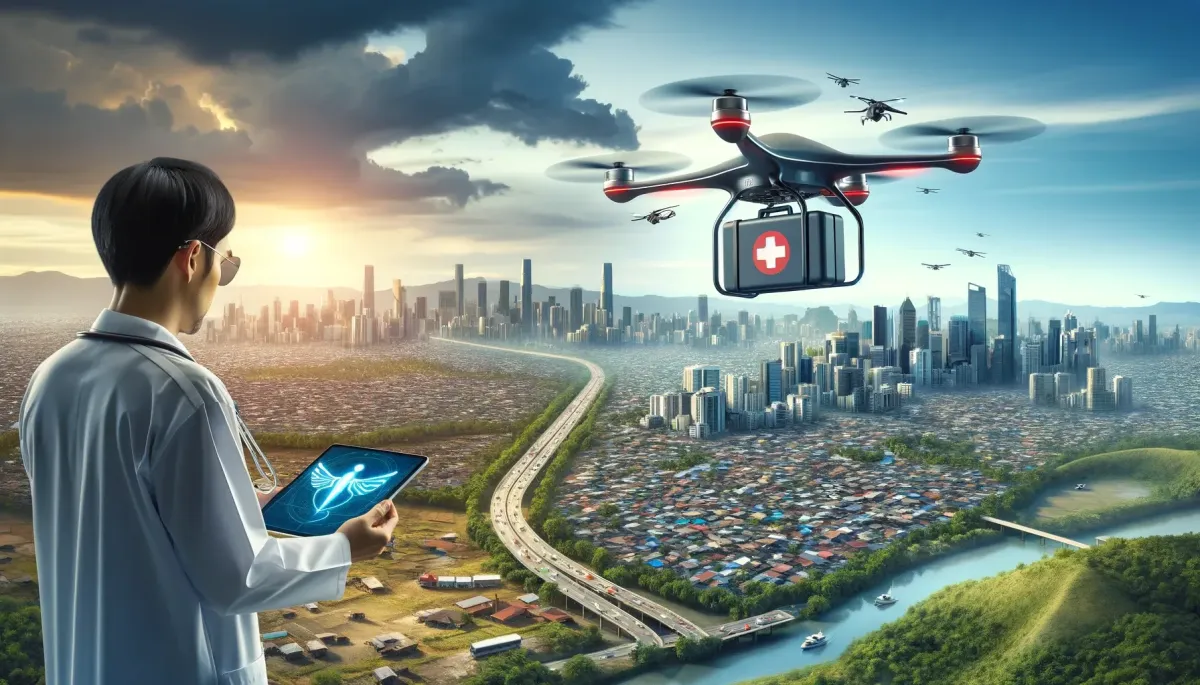
Introduction to Vaccine Drones: Revolutionizing Vaccine Delivery
The use of drones in various sectors has seen remarkable growth, and healthcare is no exception. One of the most impactful applications of drone technology is the delivery of vaccines. Vaccine drones are transforming the way vaccines are distributed, especially in remote and hard-to-reach areas, ensuring that life-saving immunizations reach those who need them most. This introduction explores the significance of vaccine drones, their benefits, applications, and the future of vaccine delivery.
The Evolution of Drone Technology in Vaccine Delivery
Initially designed for military and recreational purposes, drones have evolved to play critical roles in logistics, disaster management, and healthcare. The deployment of drones for vaccine delivery addresses significant challenges in traditional vaccine distribution, such as geographical barriers, logistical inefficiencies, and time constraints. By leveraging drone technology, healthcare providers can ensure timely and efficient delivery of vaccines to underserved populations.
Key Features of Vaccine Drones
Vaccine drones are equipped with advanced technology to maintain the integrity and effectiveness of vaccines during transit. These drones typically feature temperature-controlled compartments, GPS systems, real-time tracking, and communication devices to coordinate with healthcare teams on the ground. Some advanced models also include AI capabilities for autonomous navigation and obstacle avoidance.
Temperature control is crucial for vaccine delivery, as many vaccines require specific storage conditions. Vaccine drones are designed to maintain optimal temperatures, ensuring that the vaccines remain effective upon arrival. Additionally, the integration of real-time tracking and communication allows for precise delivery and immediate updates on the drone’s status and location.
Benefits of Vaccine Drones
Rapid Delivery: Vaccine drones significantly reduce delivery times, which is vital during vaccination campaigns or outbreak responses. Drones can bypass traffic and natural obstacles, providing swift delivery of vaccines.Accessibility: Drones can reach remote and inaccessible areas where traditional transportation methods may fail. This capability ensures that even the most isolated communities receive timely vaccinations.Cost-Effective: Utilizing drones for vaccine delivery can be more cost-effective than traditional methods, reducing the need for extensive ground transportation and personnel.Maintained Vaccine Integrity: The temperature-controlled compartments of vaccine drones ensure that vaccines are kept at the required temperature, maintaining their efficacy.Enhanced Coordination: Real-time data transmission and communication with healthcare teams ensure seamless coordination and efficient delivery.
Applications of Vaccine Drones
The versatility of vaccine drones makes them suitable for various scenarios:
Remote and Rural Areas: Vaccine drones can deliver vaccines to remote and rural regions where access to healthcare facilities is limited.Disaster Response: In the aftermath of natural disasters, drones can quickly deliver vaccines to affected areas, preventing the spread of disease.Urban Congestion: In densely populated urban areas, drones can bypass traffic congestion, ensuring timely delivery of vaccines during immunization drives.Outbreak Containment: During disease outbreaks, rapid vaccine delivery is crucial. Drones can provide swift distribution of vaccines to contain and prevent the spread of infectious diseases.Routine Immunization: In areas with logistical challenges, vaccine drones can ensure regular and reliable delivery of vaccines for routine immunization programs.
The Future of Vaccine Drones
The future of vaccine drones looks promising, with continuous advancements in technology and increasing adoption across the healthcare sector. Innovations such as improved battery life, greater payload capacities, and enhanced AI capabilities will further enhance the efficiency and effectiveness of vaccine drones.
Regulatory frameworks are also evolving to support the safe and efficient operation of drones in healthcare. Governments and aviation authorities are working to establish guidelines that ensure the safe integration of drones into healthcare systems, paving the way for wider adoption and implementation.
Conclusion
Vaccine drones represent a significant advancement in the field of healthcare logistics, offering a rapid, efficient, and reliable solution for vaccine delivery. By overcoming the limitations of traditional distribution methods, drones are ensuring that life-saving vaccines reach every corner of the globe, improving global health outcomes. As technology continues to advance, the potential for vaccine drones to revolutionize healthcare delivery is immense, promising a future where timely and efficient vaccine distribution is a reality for all.

Engineering
Rorem ipsum dolor sit amet, consectetur adipisicing elit, sed do eiusmod tempor incididunt.

Constriction
Rorem ipsum dolor sit amet, consectetur adipisicing elit, sed do eiusmod tempor incididunt.

Equipment
Rorem ipsum dolor sit amet, consectetur adipisicing elit, sed do eiusmod tempor incididunt.

Eletroniex
Rorem ipsum dolor sit amet, consectetur adipisicing elit, sed do eiusmod tempor incididunt.
Architecture
Rorem ipsum dolor sit amet, consectetur adipisicing elit, sed do eiusmod tempor incididunt.

Isolations
Rorem ipsum dolor sit amet, consectetur adipisicing elit, sed do eiusmod tempor incididunt.
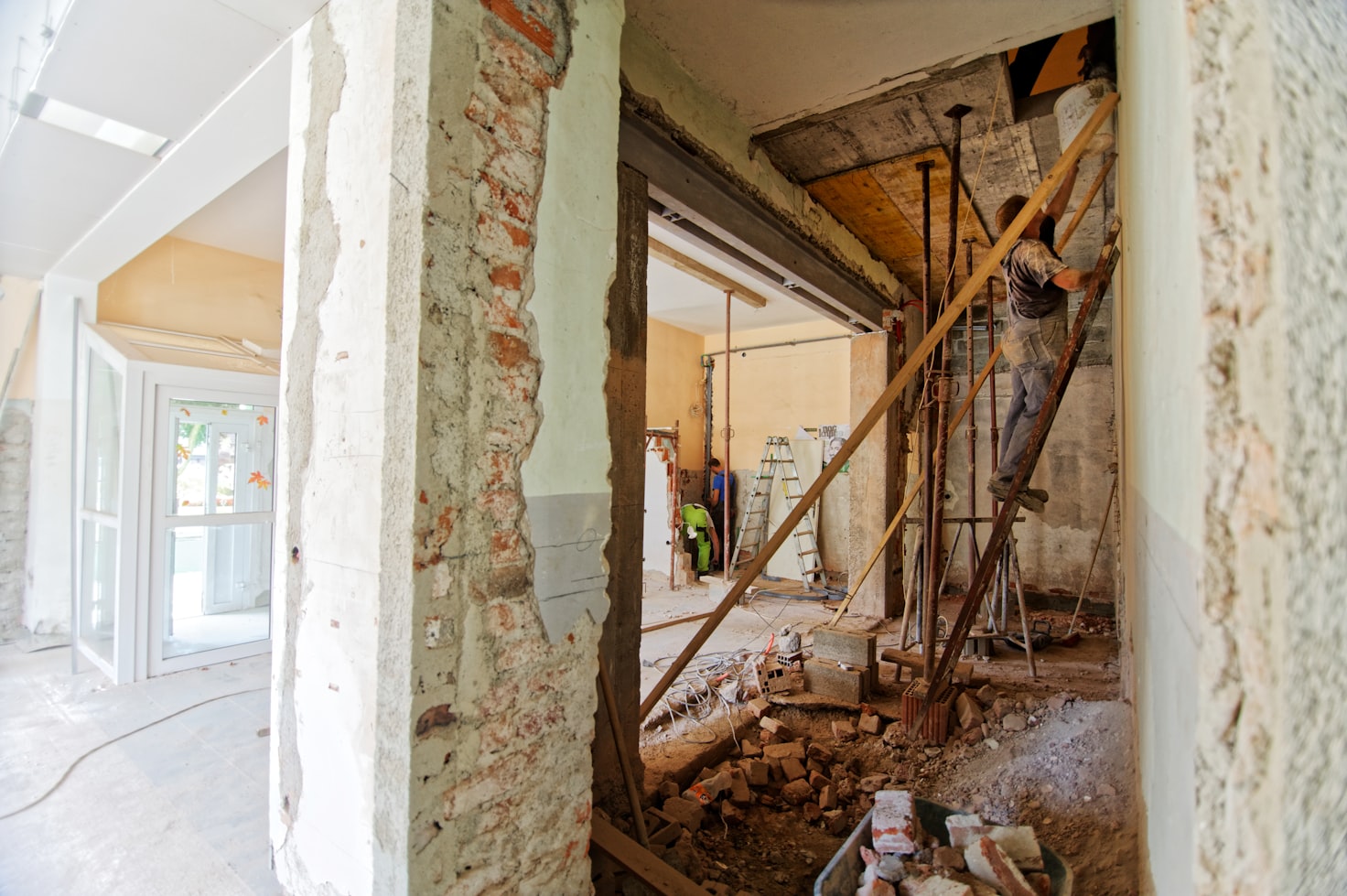
Construction Conditio in Regions
Lorem ipsum dolor sit amet, consectetuer adipiscing elit...

Regions Construction Conditio in
Lorem ipsum dolor sit amet, consectetuer adipiscing elit...
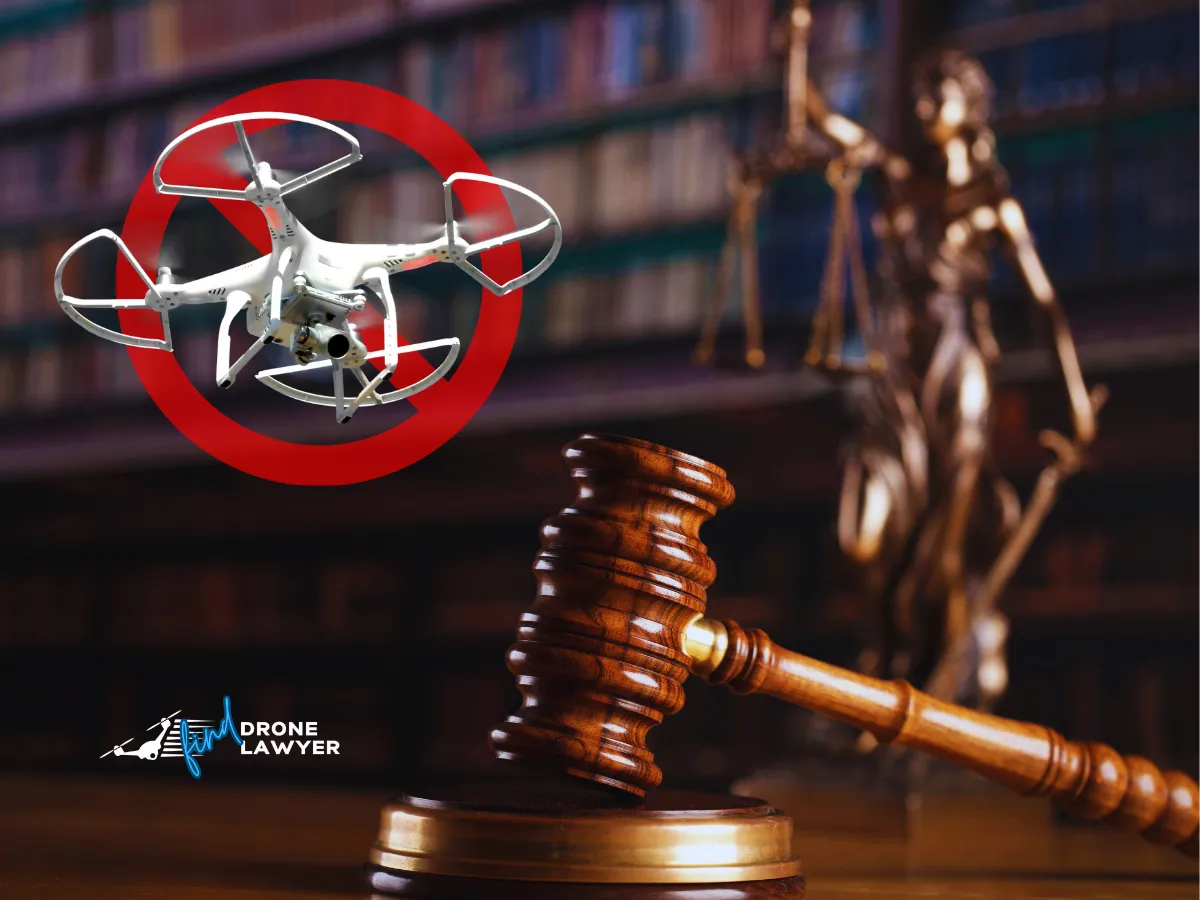
Why Are Drone Laws So Strict?
In recent years, drones have become a ubiquitous part of our modern world. From capturing breathtaking aerial photography to aiding in search and rescue missions, drones have found applications in various industries. However, along with their increasing popularity, we’ve seen a corresponding rise in drone-related incidents and concerns about privacy and safety. This has led to the implementation of stringent drone laws and regulations. In this article, we will delve into the reasons behind the strict drone laws and their importance in ensuring the safety and security of our airspace.
1. Air Traffic Safety
One of the primary reasons for strict drone regulations is to maintain the safety of our airspace. Drones, especially when flown at higher altitudes, share the same airspace as commercial airplanes and helicopters. Without proper regulations, there’s a potential for collisions, which could lead to catastrophic consequences. By imposing strict rules on where and how drones can be flown, authorities aim to mitigate this risk and prevent accidents.
2. Privacy Concerns
Privacy is a paramount concern when it comes to drones. Drones equipped with high-quality cameras can capture images and videos from vantage points that were previously inaccessible. This raises concerns about the unauthorized surveillance of individuals, their homes, and private property. To protect citizens’ privacy rights, drone laws have been put in place to limit where and how drones can be used for photography or videography.
3. National Security
Drones have the potential to be used for malicious purposes, including espionage, smuggling, and even acts of terrorism. Tightening regulations on drones helps to safeguard national security interests. By imposing restrictions on where drones can be flown, authorities can better monitor and control their use, making it harder for malicious actors to exploit this technology for harmful purposes.
4. Environmental Impact
Drones, especially larger ones used for industrial purposes, can have environmental impacts. They can disturb wildlife, disrupt ecosystems, and even pose risks to sensitive habitats. Regulations on drone usage often include restrictions on flying near wildlife reserves, national parks, and other ecologically sensitive areas to minimize these potential impacts.
5. Public Safety
Public safety is a critical concern, especially in densely populated areas. Irresponsible drone operation can pose serious risks to people on the ground. For instance, a drone that malfunctions or is operated recklessly can crash, potentially causing harm to bystanders. By implementing strict laws, authorities can hold drone operators accountable and ensure that they operate in a manner that prioritizes public safety.
6. Noise Pollution
While not as immediately apparent as the other factors, drones can contribute to noise pollution, particularly when used in urban areas. This can lead to disturbances and discomfort for residents. Some drone laws may include restrictions on the times of day or locations where drones can be flown to minimize this impact.
While drones undoubtedly offer immense benefits in various fields, it’s crucial to recognize and respect the potential risks and concerns associated with their use. Strict drone laws are not meant to stifle innovation or limit the potential of this technology, but rather to strike a balance between enabling its positive applications and safeguarding the interests of individuals, communities, and national security.
Ultimately, adherence to these regulations not only ensures that drone technology is used responsibly but also paves the way for a future where drones can continue to play a valuable role in our society without compromising safety, privacy, and security.

MORE ABOUT US
We Provide Exceptional Solutions for Clients
Aenean massa. Cum sociis natoque penatibus et magnis dis parturient montes, nascetur ridiculus mus.

Serving 20 Years
Aenean massa. Cum sociis natoque penatibus et magnis dis parturient montes, nascetur ridiculus mus.

Financial Advices
Aenean massa. Cum sociis natoque penatibus et magnis dis parturient montes, nascetur ridiculus mus.
QUESTION? xxx-xxx-xxxx
OUR SKILLS Plan
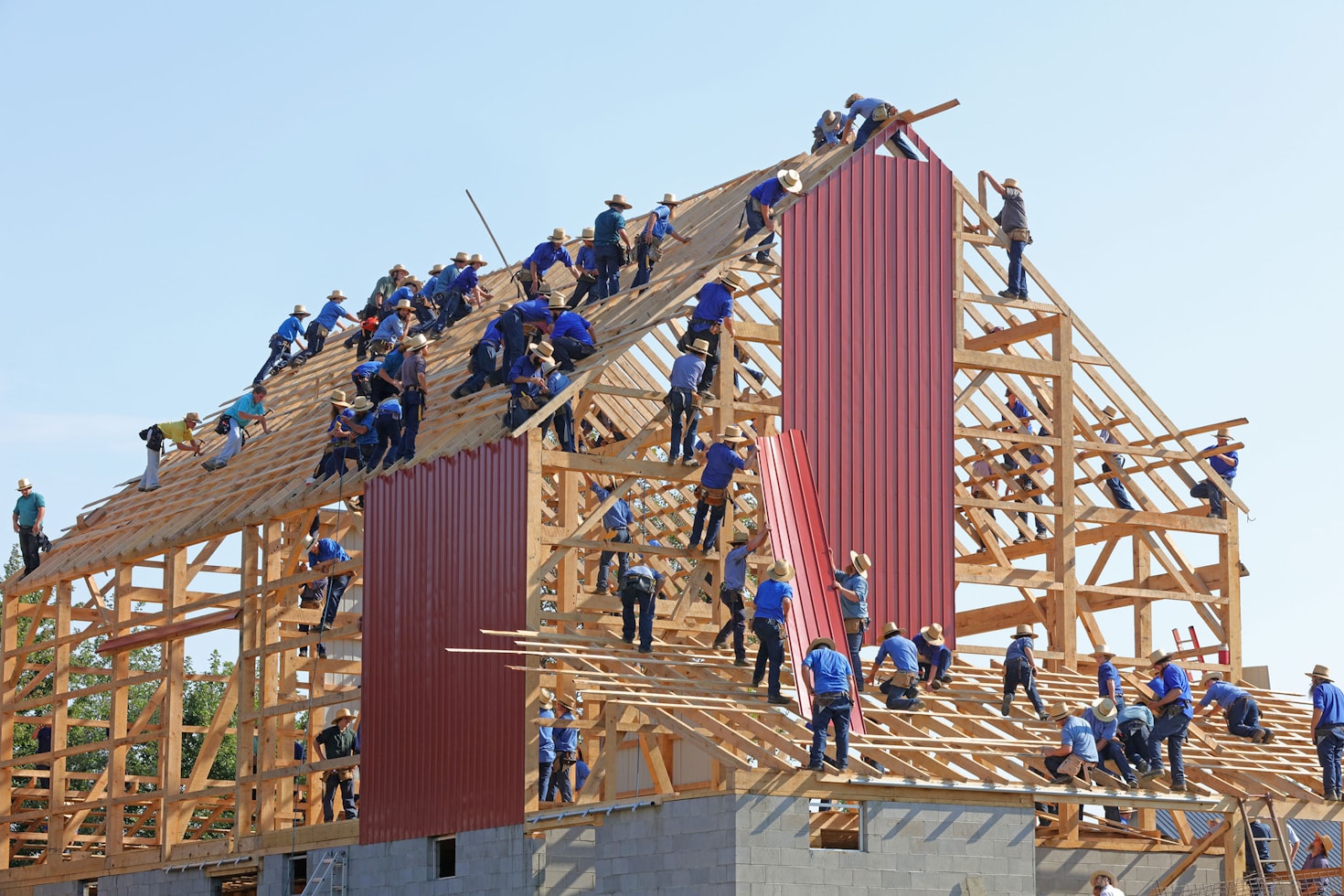
We Create Buildings
Lorem ipsum dolor sit amet, consectetuer adipiscing elit. Aenean commodo ligula eget dolor. Aenean massa. Cum sociis natoque penatibus et magnis dis parturient montes, nascetur ridiculus mus.
Audit & Assurance 90%
Legal Managed Services 85%
Financial Advisory 70%
Advisory Financial 60%
COMPLATE PROJECTS
Completed Your Company Projects
OUR MEMBER
Project Team Member

Rayhan Khan
Team Leder

Metton Alex
Founder

Rayhan Khan
Team Leder
820
HAPPY CLIENT
180
COMPATE PROJECT
20
WORLD FACTORY
487
CONTRACTORS
Industries Consult
Lorem ipsum dolor sit amet, consectetuer adipiscing elit aenean commodo ligula.
Bariblan
Constriction

Architecture Style
Lorem ipsum dolor sit amet, consectetuer adipiscing elit aenean commodo ligula.
Bariblan
Constriction

General Contracting
Lorem ipsum dolor sit amet, consectetuer adipiscing elit aenean commodo ligula.
Bariblan
Constriction
OUR CLIENTS
What Client Say?
Lorem ipsum dolor sit amet, consectetuer adipiscing elit. Aenean commodo ligula eget dolor. Aenean massa. Cum sociis natoque penatibus et magnis dis parturient montes.

Chicana males
Marketing
Lorem ipsum dolor sit amet, consectetuer adipiscing elit. Aenean commodo ligula eget dolor. Aenean massa. Cum sociis natoque penatibus et magnis dis parturient montes.

David Markers
Co- Of Officer
Do You Have Queries? Please Go Through 'Frequently Asked Questions' First
Lorem ipsum dolor sit adipiscing elit, sed do eiusmod tempor incididunt ut labore et dolore magna aliqua.
{question 1}
Lorem ipsum dolor sit amet, consectetur adipis. Maec enas id nibh non. Lorem ipsum dolor sit amet, consectetur adipis. Maec enas id nibh non. Lorem ipsum dolor sit amet, consectetur adipis. Maec enas id nibh non. Lorem ipsum dolor sit amet, consectetur adipis. Maec enas id nibh non. Lorem ipsum dolor sit amet, consectetur adipis. Maec enas id nibh non. Lorem ipsum dolor sit amet.
{question 2}
Lorem ipsum dolor sit amet, consectetur adipis. Maec enas id nibh non. Lorem ipsum dolor sit amet, consectetur adipis. Maec enas id nibh non. Lorem ipsum dolor sit amet, consectetur adipis. Maec enas id nibh non. Lorem ipsum dolor sit amet, consectetur adipis. Maec enas id nibh non. Lorem ipsum dolor sit amet, consectetur adipis. Maec enas id nibh non. Lorem ipsum dolor sit amet.
{question 3}
Lorem ipsum dolor sit amet, consectetur adipis. Maec enas id nibh non. Lorem ipsum dolor sit amet, consectetur adipis. Maec enas id nibh non. Lorem ipsum dolor sit amet, consectetur adipis. Maec enas id nibh non. Lorem ipsum dolor sit amet, consectetur adipis. Maec enas id nibh non. Lorem ipsum dolor sit amet, consectetur adipis. Maec enas id nibh non. Lorem ipsum dolor sit amet.
{question 4}
Lorem ipsum dolor sit amet, consectetur adipis. Maec enas id nibh non. Lorem ipsum dolor sit amet, consectetur adipis. Maec enas id nibh non. Lorem ipsum dolor sit amet, consectetur adipis. Maec enas id nibh non. Lorem ipsum dolor sit amet, consectetur adipis. Maec enas id nibh non. Lorem ipsum dolor sit amet, consectetur adipis. Maec enas id nibh non. Lorem ipsum dolor sit amet.
{question 5}